The Sound of Performance: Why Audio is 50% of the Sale
Performance
The Sound of Performance: Why Audio is 50% of the Sale
Most people "watch" TV with their ears. If your audio doesn't grab them, your video never gets a chance to work.
There is an old saying in Hollywood: "Sound is 50% of the movie-going experience." In 2026, for a performance commercial, sound is closer to 70%.
Think about how people watch streaming TV. They are often scrolling on their phone, talking to someone, or in another room when your ad starts. They aren't looking at the screen - they are listening to it.
At FirstCut, we design for the "ears-first" viewer.
▪ If your audio doesn't stop them, your video won't save you.
The "Audio Hook"
We talk a lot about the first three seconds of a video, but the "Audio Hook" is just as critical. It could be a specific sound effect, a surprising voiceover, or a musical "sting" that cuts through the silence of the living room.
The goal isn't just to be loud; it’s to be distinguishable. We want the viewer to look up from their phone because they heard something that felt like an invitation.
Factual Tethers in Sound
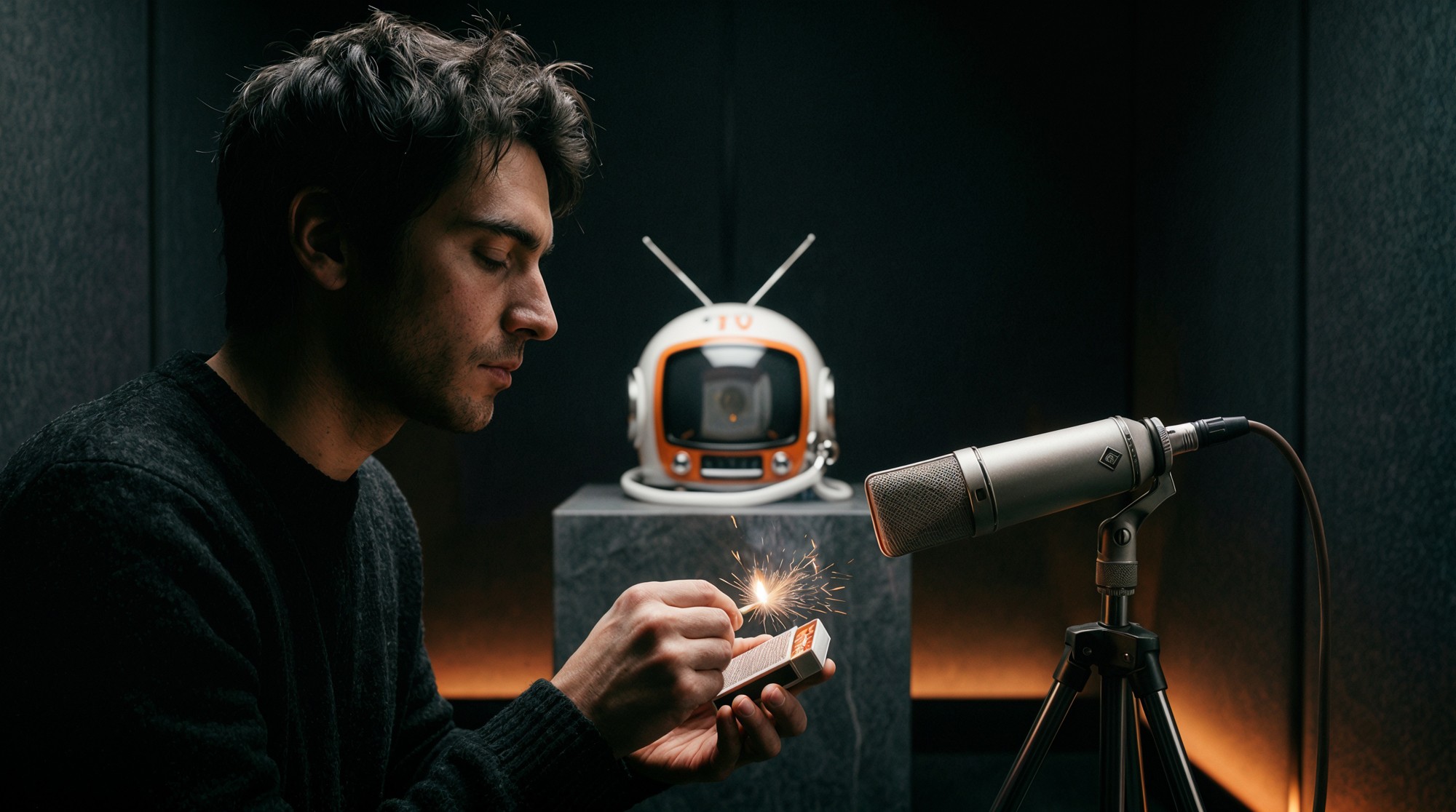
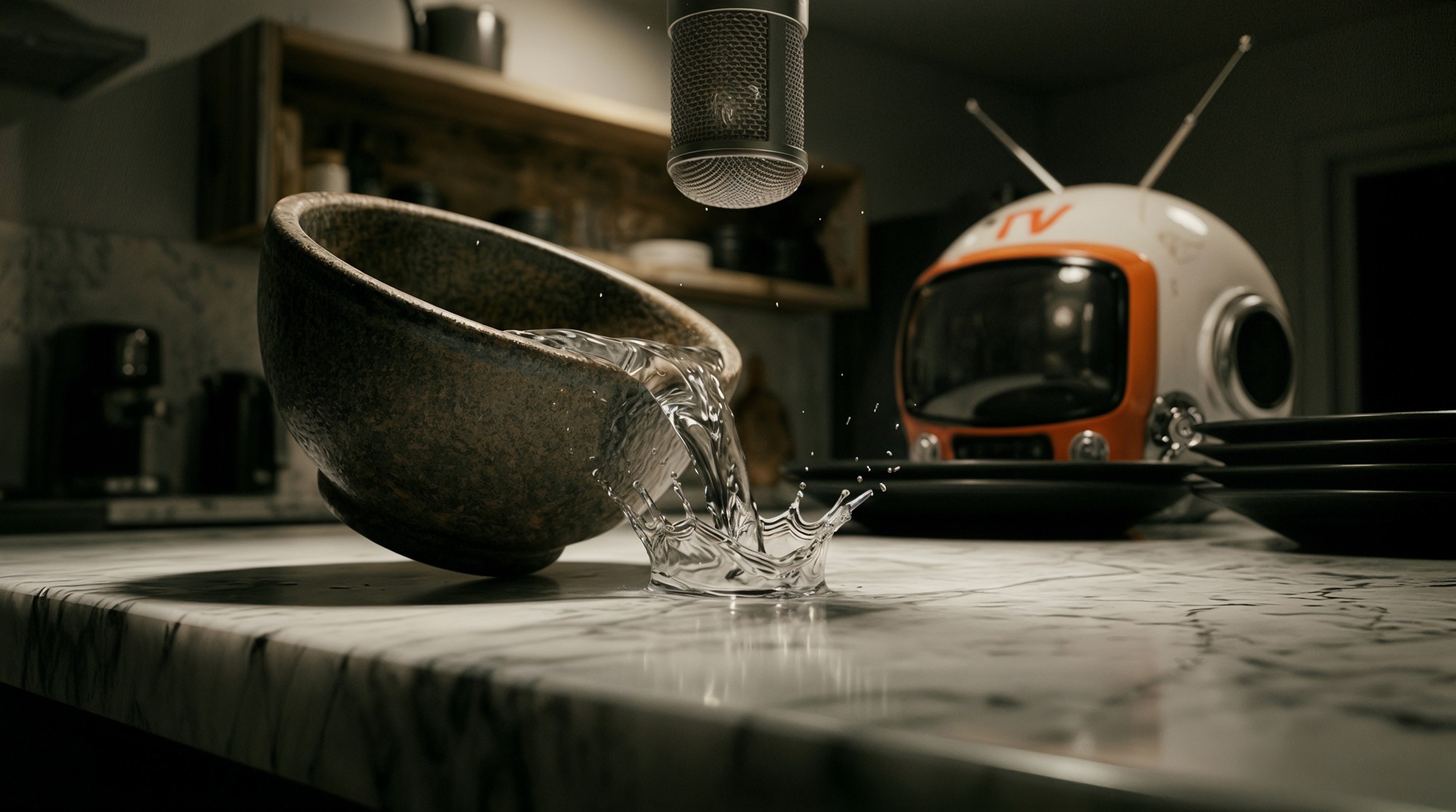
We use "Factual Tethers" in our audio just like we do in our visuals. It's the sound of a heavy door closing, the specific "clack" of a keyboard, or the sizzle of a pan.
These organic, real-world sounds build immediate trust. They tell the brain, "This is real." When the audio feels grounded, the "Identity Slotting" happens much faster because the viewer’s environment matches the commercial’s environment.
▪ The Old Way: Using generic, over-produced stock music.
▪ The Performance Way: Using high-fidelity, organic sound design that feels like it’s happening in the room.
The Voice of Authority
The voiceover is your "salesperson." It shouldn't sound like an announcer; it should sound like a peer. We use our Professional AI Stack to layer human emotion and specific pacing into our voices.
We test different voices to see which one creates the strongest Halo Effect. Does a calm, authoritative voice drive more searches? Or does a fast-paced, energetic one? The data tells us who your customer wants to listen to.
▪ Step 1: Build an "Audio Hook" that demands attention in the first second.
▪ Step 2: Layer in "Factual Tethers" to ground the scene in reality.
▪ Step 3: Test the voiceover to see which "persona" drives the most performance.
▪ Stop thinking about what your ad looks like. Start thinking about what it sounds like.
The Verdict
In 2026, the biggest screen in the house is a radio until the viewer decides to look at it. By prioritizing high-performance audio, you win the attention before they even see your logo.
▪ Win the ears, and the eyes will follow.



The Sound of Performance: Why Audio is 50% of the Sale
Performance
The Sound of Performance: Why Audio is 50% of the Sale
Most people "watch" TV with their ears. If your audio doesn't grab them, your video never gets a chance to work.
There is an old saying in Hollywood: "Sound is 50% of the movie-going experience." In 2026, for a performance commercial, sound is closer to 70%.
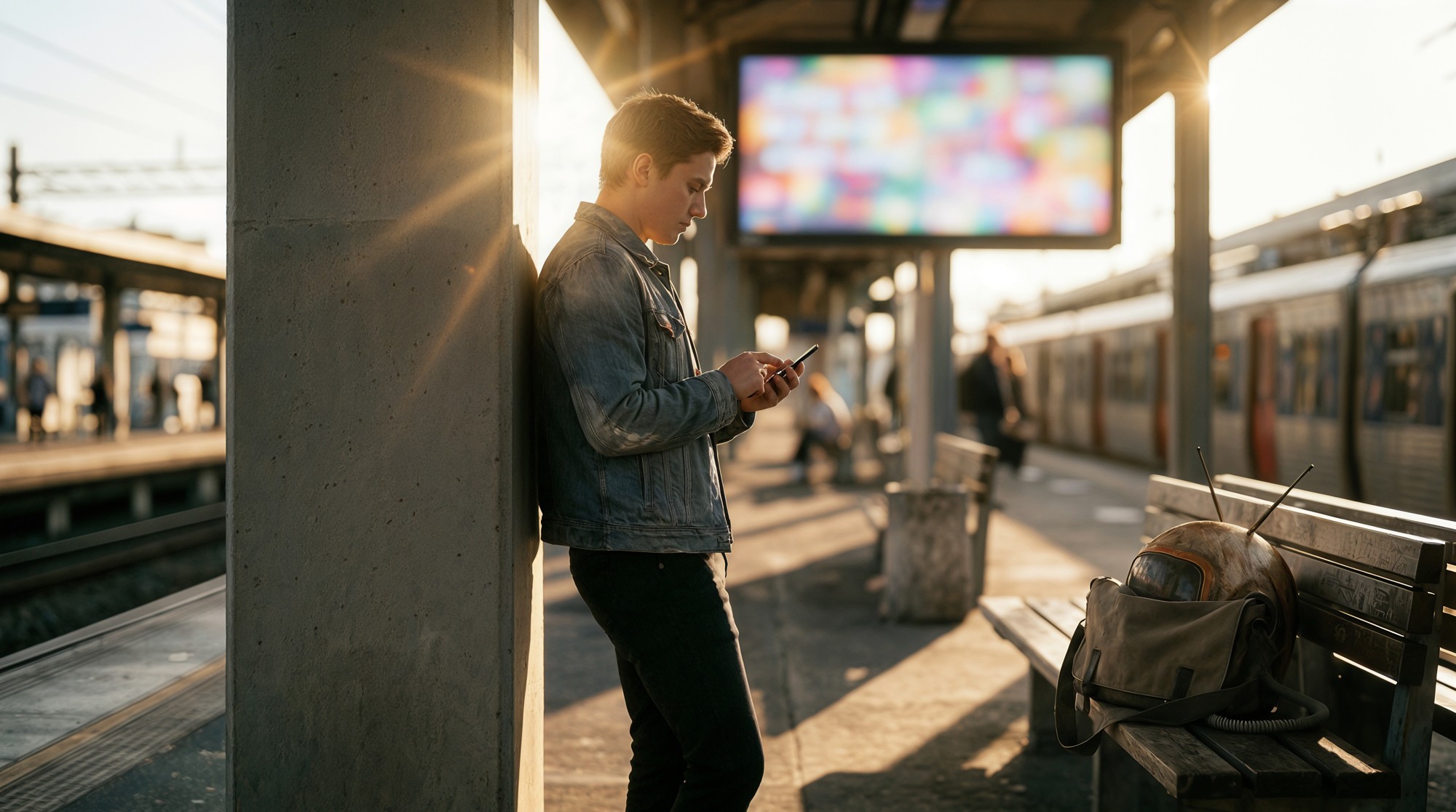
Think about how people watch streaming TV. They are often scrolling on their phone, talking to someone, or in another room when your ad starts. They aren't looking at the screen - they are listening to it.
At FirstCut, we design for the "ears-first" viewer.
▪ If your audio doesn't stop them, your video won't save you.
The "Audio Hook"
We talk a lot about the first three seconds of a video, but the "Audio Hook" is just as critical. It could be a specific sound effect, a surprising voiceover, or a musical "sting" that cuts through the silence of the living room.
The goal isn't just to be loud; it’s to be distinguishable. We want the viewer to look up from their phone because they heard something that felt like an invitation.
Factual Tethers in Sound
We use "Factual Tethers" in our audio just like we do in our visuals. It's the sound of a heavy door closing, the specific "clack" of a keyboard, or the sizzle of a pan.
These organic, real-world sounds build immediate trust. They tell the brain, "This is real." When the audio feels grounded, the "Identity Slotting" happens much faster because the viewer’s environment matches the commercial’s environment.
▪ The Old Way: Using generic, over-produced stock music.
▪ The Performance Way: Using high-fidelity, organic sound design that feels like it’s happening in the room.
The Voice of Authority
The voiceover is your "salesperson." It shouldn't sound like an announcer; it should sound like a peer. We use our Professional AI Stack to layer human emotion and specific pacing into our voices.
We test different voices to see which one creates the strongest Halo Effect. Does a calm, authoritative voice drive more searches? Or does a fast-paced, energetic one? The data tells us who your customer wants to listen to.
▪ Step 1: Build an "Audio Hook" that demands attention in the first second.
▪ Step 2: Layer in "Factual Tethers" to ground the scene in reality.
▪ Step 3: Test the voiceover to see which "persona" drives the most performance.
▪ Stop thinking about what your ad looks like. Start thinking about what it sounds like.
The Verdict
In 2026, the biggest screen in the house is a radio until the viewer decides to look at it. By prioritizing high-performance audio, you win the attention before they even see your logo.
▪ Win the ears, and the eyes will follow.
The Sound of Performance: Why Audio is 50% of the Sale
Performance
The Sound of Performance: Why Audio is 50% of the Sale
Most people "watch" TV with their ears. If your audio doesn't grab them, your video never gets a chance to work.
There is an old saying in Hollywood: "Sound is 50% of the movie-going experience." In 2026, for a performance commercial, sound is closer to 70%.
Think about how people watch streaming TV. They are often scrolling on their phone, talking to someone, or in another room when your ad starts. They aren't looking at the screen - they are listening to it.
At FirstCut, we design for the "ears-first" viewer.
▪ If your audio doesn't stop them, your video won't save you.
The "Audio Hook"
We talk a lot about the first three seconds of a video, but the "Audio Hook" is just as critical. It could be a specific sound effect, a surprising voiceover, or a musical "sting" that cuts through the silence of the living room.
The goal isn't just to be loud; it’s to be distinguishable. We want the viewer to look up from their phone because they heard something that felt like an invitation.
Factual Tethers in Sound
We use "Factual Tethers" in our audio just like we do in our visuals. It's the sound of a heavy door closing, the specific "clack" of a keyboard, or the sizzle of a pan.
These organic, real-world sounds build immediate trust. They tell the brain, "This is real." When the audio feels grounded, the "Identity Slotting" happens much faster because the viewer’s environment matches the commercial’s environment.
▪ The Old Way: Using generic, over-produced stock music.
▪ The Performance Way: Using high-fidelity, organic sound design that feels like it’s happening in the room.
The Voice of Authority
The voiceover is your "salesperson." It shouldn't sound like an announcer; it should sound like a peer. We use our Professional AI Stack to layer human emotion and specific pacing into our voices.
We test different voices to see which one creates the strongest Halo Effect. Does a calm, authoritative voice drive more searches? Or does a fast-paced, energetic one? The data tells us who your customer wants to listen to.
▪ Step 1: Build an "Audio Hook" that demands attention in the first second.
▪ Step 2: Layer in "Factual Tethers" to ground the scene in reality.
▪ Step 3: Test the voiceover to see which "persona" drives the most performance.
▪ Stop thinking about what your ad looks like. Start thinking about what it sounds like.
The Verdict
In 2026, the biggest screen in the house is a radio until the viewer decides to look at it. By prioritizing high-performance audio, you win the attention before they even see your logo.
▪ Win the ears, and the eyes will follow.