
Identity Slotting: Making the Viewer the Hero
Performance
Identity Slotting: Making the Viewer the Hero
The best commercials don't tell a story about a brand. They tell a story about the person watching. Here is how we "slot" your customer into the lead role.
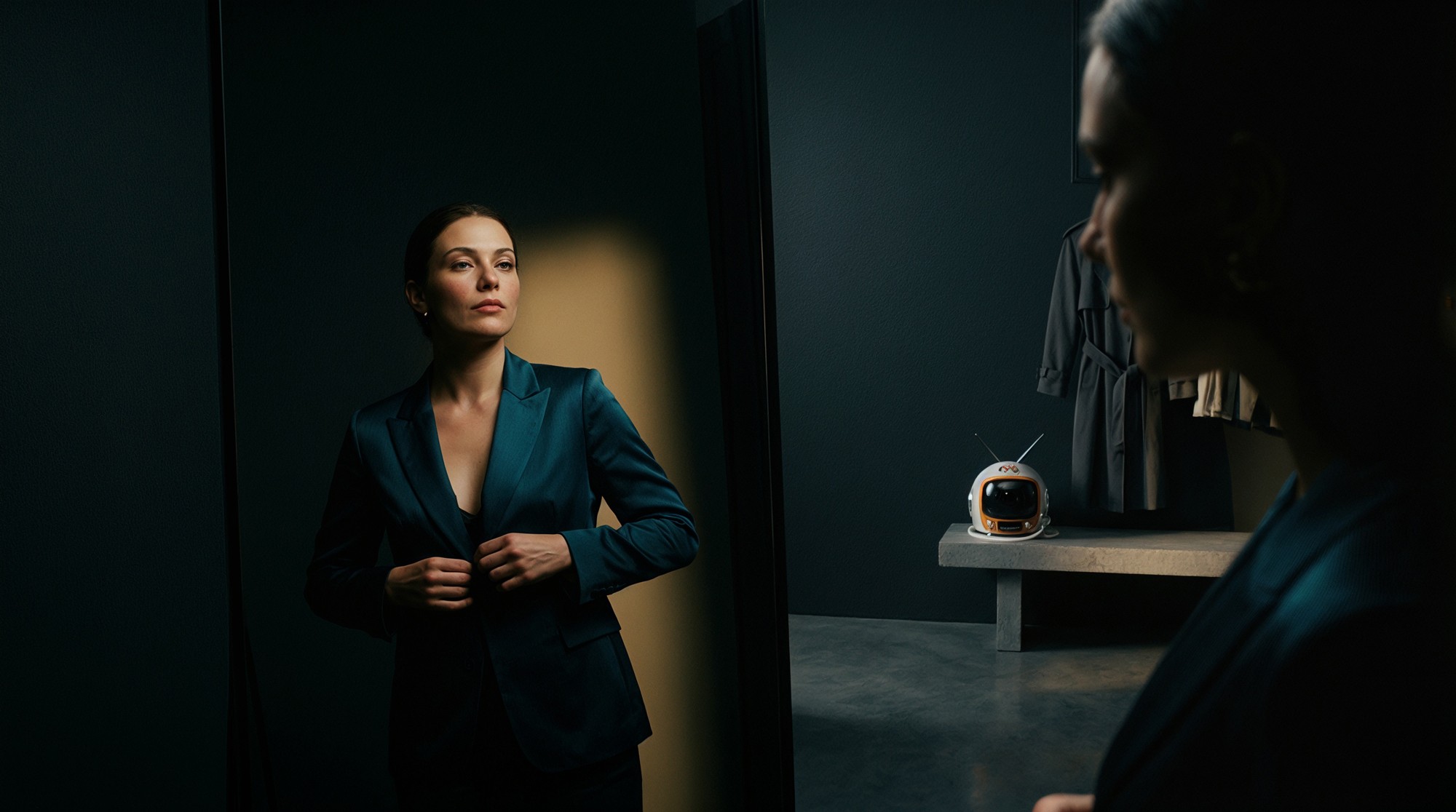
Most commercials make the same mistake: they spend 30 seconds talking about how great the company is. They show the office, the staff, and the product. But in 2026, the viewer doesn't care about your company. They care about themselves.
At FirstCut, we use a technique called Identity Slotting. Instead of making your brand the hero of the story, we leave a space - a "slot" - for the viewer to step into.
▪ Your customer doesn't want to buy a product. They want to buy a better version of themselves.
The Empty Chair
Think about your favorite movie. You don't just watch the hero; you feel like you are the hero. You feel their fear, their excitement, and their win.
In the FirstCut Playbook, we build ads the same way. We don't show "a person" using your product. We show a situation that feels so familiar that the viewer automatically imagines themselves in the frame. We leave the "Lead Role" empty so they can fill it.
▪ The Old Way: Showing a generic actor smiling at a camera.
▪ The Performance Way: Showing a POV (Point of View) of a problem being solved.
Why "Feeling" Drives the Math
It sounds like "art," but Identity Slotting is actually a performance tool. When someone sees themselves in your ad, their brain stops treating it like an "announcement" and starts treating it like a "solution".
This leads to much higher engagement. People don't skip ads that feel like their own life. They watch, they remember, and most importantly, they act.
▪ Step 1: Identify the "Hero Moment" your customer wants.
▪ Step 2: Film the ad so the viewer is the one taking action.
▪ Step 3: Watch your conversion rates climb as viewers "slot" into the role.
The Power of the "Factual Tether"
To make this work, we use "Factual Tethers" - small, real-life details that ground the ad in reality. It could be the sound of a key turning in a lock or the way light hits a kitchen table in the morning.
These tiny details act like an anchor. They tell the viewer’s brain, "This is real, and this is for you." Once they are tethered to the scene, they are ready to hear your message.
▪ When the details are real, the connection is immediate.
The Verdict
Performance isn't just about spreadsheets; it’s about psychology. By using Identity Slotting, you stop chasing customers and start inviting them to be the hero of their own story.
When you win the viewer's identity, you win the sale.
▪ Stop telling your story. Start telling theirs.




Identity Slotting: Making the Viewer the Hero
Performance
Identity Slotting: Making the Viewer the Hero
The best commercials don't tell a story about a brand. They tell a story about the person watching. Here is how we "slot" your customer into the lead role.
Most commercials make the same mistake: they spend 30 seconds talking about how great the company is. They show the office, the staff, and the product. But in 2026, the viewer doesn't care about your company. They care about themselves.
At FirstCut, we use a technique called Identity Slotting. Instead of making your brand the hero of the story, we leave a space - a "slot" - for the viewer to step into.
▪ Your customer doesn't want to buy a product. They want to buy a better version of themselves.
The Empty Chair
Think about your favorite movie. You don't just watch the hero; you feel like you are the hero. You feel their fear, their excitement, and their win.
In the FirstCut Playbook, we build ads the same way. We don't show "a person" using your product. We show a situation that feels so familiar that the viewer automatically imagines themselves in the frame. We leave the "Lead Role" empty so they can fill it.
▪ The Old Way: Showing a generic actor smiling at a camera.
▪ The Performance Way: Showing a POV (Point of View) of a problem being solved.
Why "Feeling" Drives the Math
It sounds like "art," but Identity Slotting is actually a performance tool. When someone sees themselves in your ad, their brain stops treating it like an "announcement" and starts treating it like a "solution".
This leads to much higher engagement. People don't skip ads that feel like their own life. They watch, they remember, and most importantly, they act.
▪ Step 1: Identify the "Hero Moment" your customer wants.
▪ Step 2: Film the ad so the viewer is the one taking action.
▪ Step 3: Watch your conversion rates climb as viewers "slot" into the role.
The Power of the "Factual Tether"
To make this work, we use "Factual Tethers" - small, real-life details that ground the ad in reality. It could be the sound of a key turning in a lock or the way light hits a kitchen table in the morning.
These tiny details act like an anchor. They tell the viewer’s brain, "This is real, and this is for you." Once they are tethered to the scene, they are ready to hear your message.
▪ When the details are real, the connection is immediate.
The Verdict
Performance isn't just about spreadsheets; it’s about psychology. By using Identity Slotting, you stop chasing customers and start inviting them to be the hero of their own story.
When you win the viewer's identity, you win the sale.
▪ Stop telling your story. Start telling theirs.
Identity Slotting: Making the Viewer the Hero
Performance
Identity Slotting: Making the Viewer the Hero
The best commercials don't tell a story about a brand. They tell a story about the person watching. Here is how we "slot" your customer into the lead role.
Most commercials make the same mistake: they spend 30 seconds talking about how great the company is. They show the office, the staff, and the product. But in 2026, the viewer doesn't care about your company. They care about themselves.
At FirstCut, we use a technique called Identity Slotting. Instead of making your brand the hero of the story, we leave a space - a "slot" - for the viewer to step into.
▪ Your customer doesn't want to buy a product. They want to buy a better version of themselves.
The Empty Chair
Think about your favorite movie. You don't just watch the hero; you feel like you are the hero. You feel their fear, their excitement, and their win.
In the FirstCut Playbook, we build ads the same way. We don't show "a person" using your product. We show a situation that feels so familiar that the viewer automatically imagines themselves in the frame. We leave the "Lead Role" empty so they can fill it.
▪ The Old Way: Showing a generic actor smiling at a camera.
▪ The Performance Way: Showing a POV (Point of View) of a problem being solved.
Why "Feeling" Drives the Math
It sounds like "art," but Identity Slotting is actually a performance tool. When someone sees themselves in your ad, their brain stops treating it like an "announcement" and starts treating it like a "solution".
This leads to much higher engagement. People don't skip ads that feel like their own life. They watch, they remember, and most importantly, they act.
▪ Step 1: Identify the "Hero Moment" your customer wants.
▪ Step 2: Film the ad so the viewer is the one taking action.
▪ Step 3: Watch your conversion rates climb as viewers "slot" into the role.
The Power of the "Factual Tether"
To make this work, we use "Factual Tethers" - small, real-life details that ground the ad in reality. It could be the sound of a key turning in a lock or the way light hits a kitchen table in the morning.
These tiny details act like an anchor. They tell the viewer’s brain, "This is real, and this is for you." Once they are tethered to the scene, they are ready to hear your message.
▪ When the details are real, the connection is immediate.
The Verdict
Performance isn't just about spreadsheets; it’s about psychology. By using Identity Slotting, you stop chasing customers and start inviting them to be the hero of their own story.
When you win the viewer's identity, you win the sale.
▪ Stop telling your story. Start telling theirs.