Direct Response Cinema: The High Fidelity Multiplier
Strategy
Direct Response Cinema: The High Fidelity Multiplier
In 2026, the "low-fi" trend is over. To win the living room, your ad needs to look like it belongs on the screen. Here is why cinematic quality is a performance multiplier.
For years, digital marketing was dominated by "authentic" low-fidelity content - shaky phone cameras and bad lighting. It worked because it felt "real." But as the living room becomes the primary battleground for brands, that trend is hitting a wall.
At FirstCut, we believe in Direct Response Cinema. We combine the visual language of high-end film with the hard-hitting math of performance marketing.
▪ If your ad looks like a commercial, they’ll skip it. If it looks like a movie, they’ll watch it.
Lowering the Guard
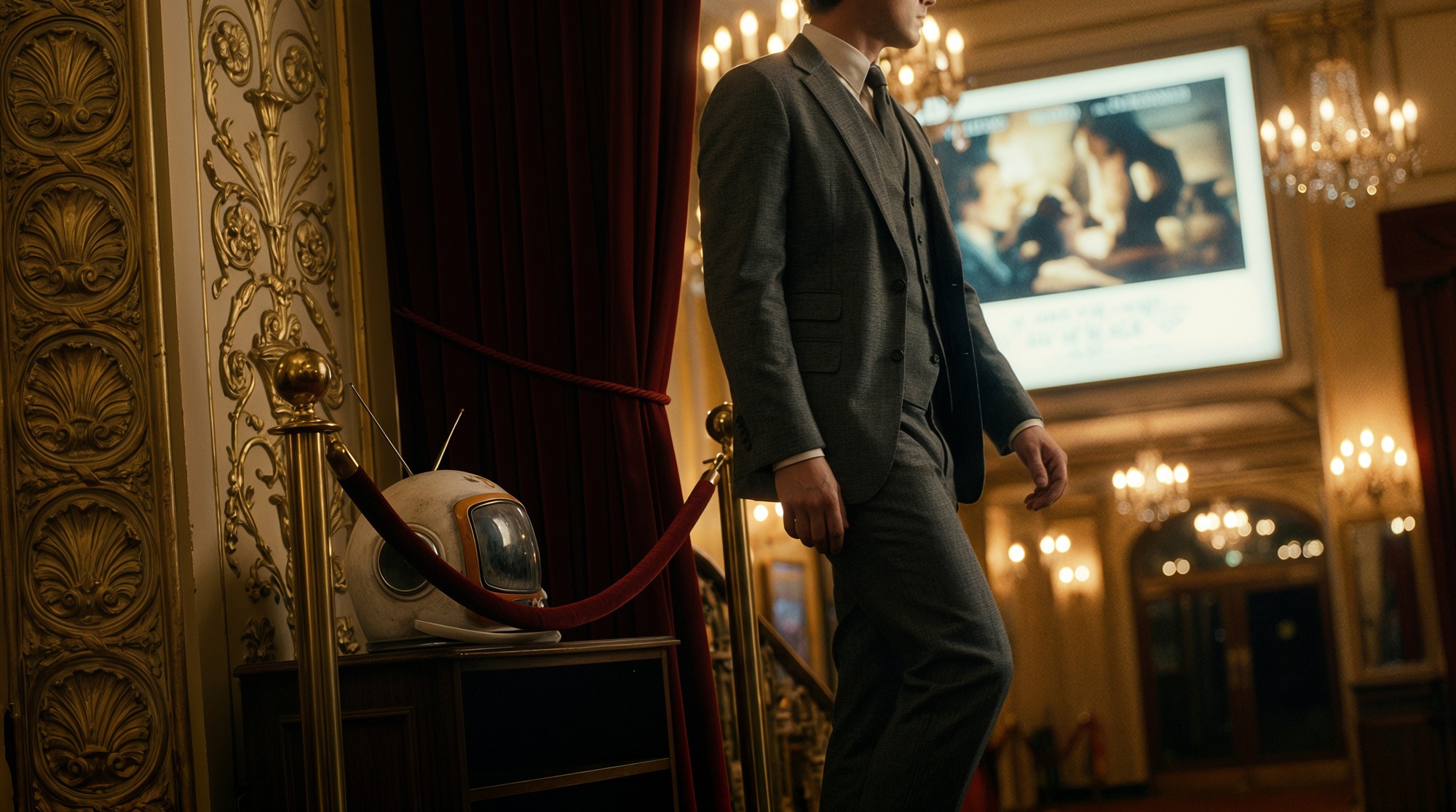
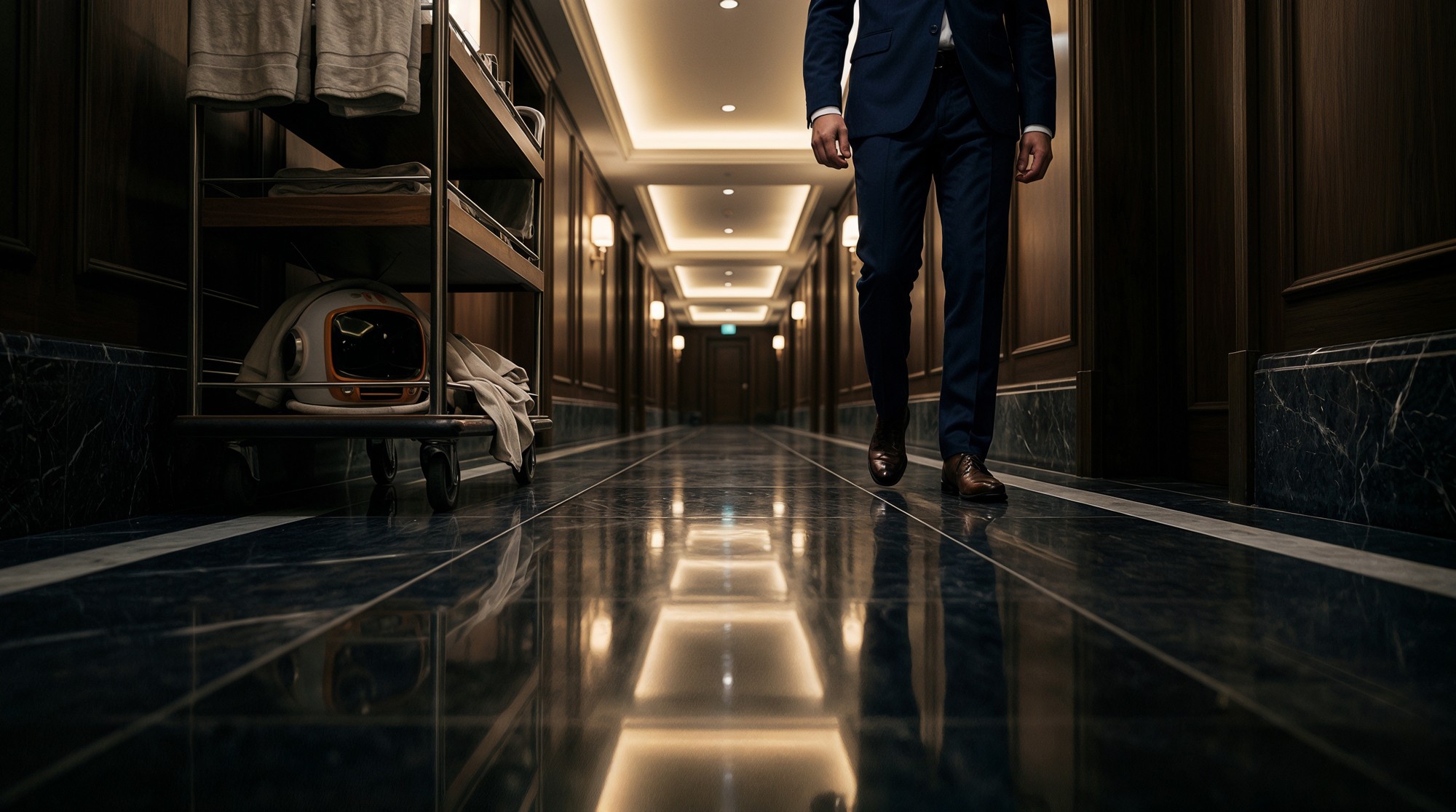
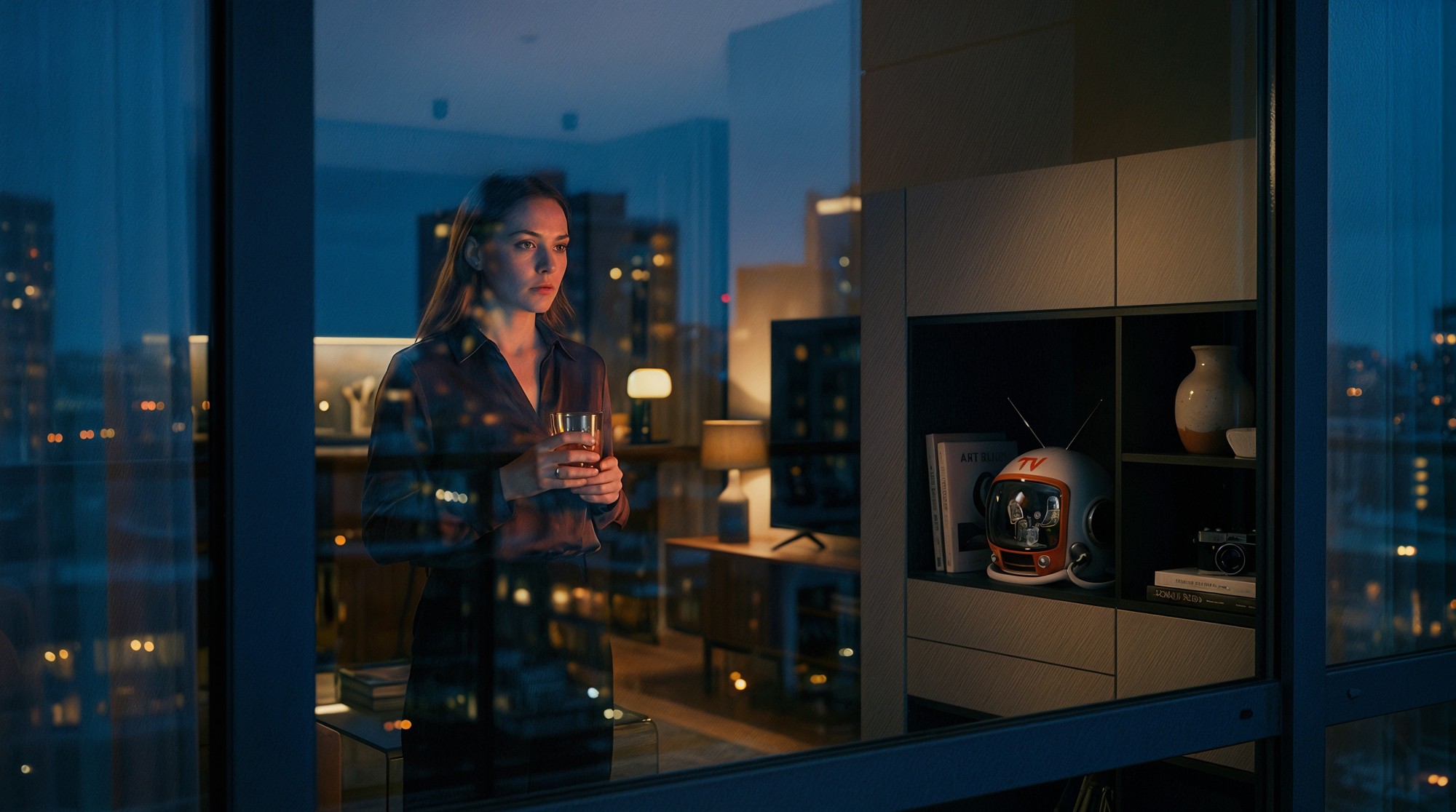
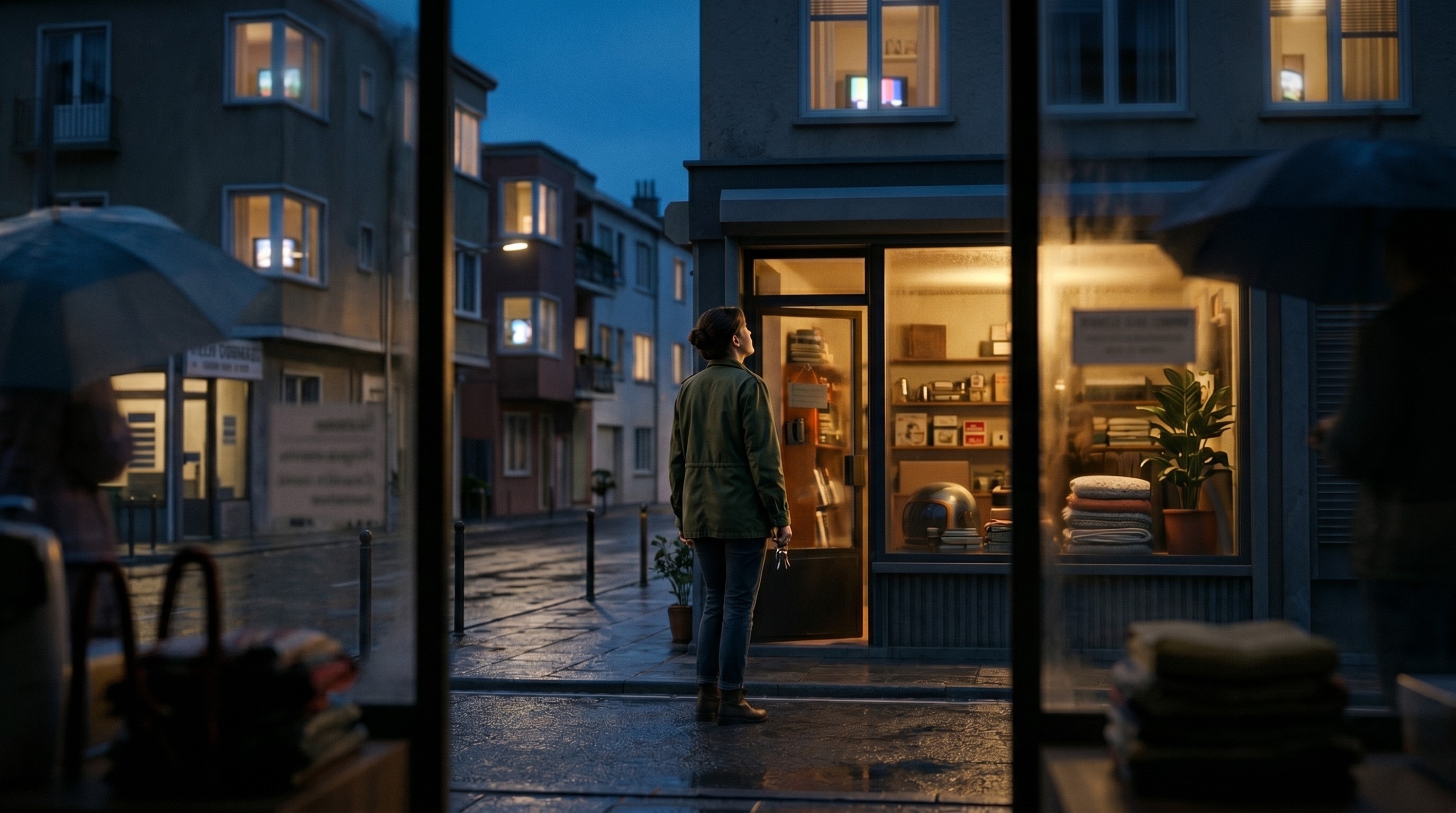
When a viewer sees a "typical" commercial, their sales guard immediately goes up. They know they are being sold to, and they mentally tune out. But when they see cinematic lighting, 35mm texture, and deliberate composition, their brain switches to "Story Mode".
By using high-fidelity visuals, we lower the viewer's guard. We earn those first three seconds of attention not by shouting, but by being the most interesting thing on the screen.
▪ The Old Way: Bright, loud, and generic "ad" visuals.
▪ The Cinema Way: Atmospheric, high-consequence imagery that feels like a narrative.
Trust is High-Resolution
There is a psychological link between visual quality and brand trust. If your video looks cheap, the viewer assumes your product is cheap. High-fidelity visuals act as a "Factual Tether" - they ground your brand in reality and authority.
When you use Direct Response Cinema, you aren't just selling a product; you are selling an identity. You are showing the viewer a world they want to be part of through "Identity Slotting". The higher the resolution of that world, the easier it is for them to step into it.
The Performance Multiplier
Cinematic quality isn't just about "brand awareness." It’s a performance multiplier. Our data shows that high-fidelity creative consistently drives a stronger Halo Effect - meaning more people search for your brand after seeing a cinematic ad than a low-fi one.
Because we use the Professional AI Stack, we can achieve this $100k "movie look" at a fraction of the traditional cost and speed.
▪ Step 1: Use "Identity Slotting" to cast the viewer as the lead.
▪ Step 2: Apply cinematic lighting and 35mm texture to build authority.
▪ Step 3: Measure the search volume spike to prove the multiplier.
▪ Visuals get the attention. Cinema gets the trust.
The Verdict
In 2026, the living room is a high-trust environment. To scale your business, you need to meet the viewer where they are. Direct Response Cinema is the bridge between the entertainment they love and the solution they need.
▪ Stop making ads. Start making cinema.


Direct Response Cinema: The High Fidelity Multiplier
Strategy
Direct Response Cinema: The High Fidelity Multiplier
In 2026, the "low-fi" trend is over. To win the living room, your ad needs to look like it belongs on the screen. Here is why cinematic quality is a performance multiplier.
For years, digital marketing was dominated by "authentic" low-fidelity content - shaky phone cameras and bad lighting. It worked because it felt "real." But as the living room becomes the primary battleground for brands, that trend is hitting a wall.
At FirstCut, we believe in Direct Response Cinema. We combine the visual language of high-end film with the hard-hitting math of performance marketing.
▪ If your ad looks like a commercial, they’ll skip it. If it looks like a movie, they’ll watch it.
Lowering the Guard
When a viewer sees a "typical" commercial, their sales guard immediately goes up. They know they are being sold to, and they mentally tune out. But when they see cinematic lighting, 35mm texture, and deliberate composition, their brain switches to "Story Mode".
By using high-fidelity visuals, we lower the viewer's guard. We earn those first three seconds of attention not by shouting, but by being the most interesting thing on the screen.
▪ The Old Way: Bright, loud, and generic "ad" visuals.
▪ The Cinema Way: Atmospheric, high-consequence imagery that feels like a narrative.
Trust is High-Resolution
There is a psychological link between visual quality and brand trust. If your video looks cheap, the viewer assumes your product is cheap. High-fidelity visuals act as a "Factual Tether" - they ground your brand in reality and authority.
When you use Direct Response Cinema, you aren't just selling a product; you are selling an identity. You are showing the viewer a world they want to be part of through "Identity Slotting". The higher the resolution of that world, the easier it is for them to step into it.
The Performance Multiplier
Cinematic quality isn't just about "brand awareness." It’s a performance multiplier. Our data shows that high-fidelity creative consistently drives a stronger Halo Effect - meaning more people search for your brand after seeing a cinematic ad than a low-fi one.
Because we use the Professional AI Stack, we can achieve this $100k "movie look" at a fraction of the traditional cost and speed.
▪ Step 1: Use "Identity Slotting" to cast the viewer as the lead.
▪ Step 2: Apply cinematic lighting and 35mm texture to build authority.
▪ Step 3: Measure the search volume spike to prove the multiplier.
▪ Visuals get the attention. Cinema gets the trust.
The Verdict
In 2026, the living room is a high-trust environment. To scale your business, you need to meet the viewer where they are. Direct Response Cinema is the bridge between the entertainment they love and the solution they need.
▪ Stop making ads. Start making cinema.
Direct Response Cinema: The High Fidelity Multiplier
Strategy
Direct Response Cinema: The High Fidelity Multiplier
In 2026, the "low-fi" trend is over. To win the living room, your ad needs to look like it belongs on the screen. Here is why cinematic quality is a performance multiplier.
For years, digital marketing was dominated by "authentic" low-fidelity content - shaky phone cameras and bad lighting. It worked because it felt "real." But as the living room becomes the primary battleground for brands, that trend is hitting a wall.
At FirstCut, we believe in Direct Response Cinema. We combine the visual language of high-end film with the hard-hitting math of performance marketing.
▪ If your ad looks like a commercial, they’ll skip it. If it looks like a movie, they’ll watch it.
Lowering the Guard
When a viewer sees a "typical" commercial, their sales guard immediately goes up. They know they are being sold to, and they mentally tune out. But when they see cinematic lighting, 35mm texture, and deliberate composition, their brain switches to "Story Mode".
By using high-fidelity visuals, we lower the viewer's guard. We earn those first three seconds of attention not by shouting, but by being the most interesting thing on the screen.
▪ The Old Way: Bright, loud, and generic "ad" visuals.
▪ The Cinema Way: Atmospheric, high-consequence imagery that feels like a narrative.
Trust is High-Resolution
There is a psychological link between visual quality and brand trust. If your video looks cheap, the viewer assumes your product is cheap. High-fidelity visuals act as a "Factual Tether" - they ground your brand in reality and authority.
When you use Direct Response Cinema, you aren't just selling a product; you are selling an identity. You are showing the viewer a world they want to be part of through "Identity Slotting". The higher the resolution of that world, the easier it is for them to step into it.
The Performance Multiplier
Cinematic quality isn't just about "brand awareness." It’s a performance multiplier. Our data shows that high-fidelity creative consistently drives a stronger Halo Effect - meaning more people search for your brand after seeing a cinematic ad than a low-fi one.
Because we use the Professional AI Stack, we can achieve this $100k "movie look" at a fraction of the traditional cost and speed.
▪ Step 1: Use "Identity Slotting" to cast the viewer as the lead.
▪ Step 2: Apply cinematic lighting and 35mm texture to build authority.
▪ Step 3: Measure the search volume spike to prove the multiplier.
▪ Visuals get the attention. Cinema gets the trust.
The Verdict
In 2026, the living room is a high-trust environment. To scale your business, you need to meet the viewer where they are. Direct Response Cinema is the bridge between the entertainment they love and the solution they need.
▪ Stop making ads. Start making cinema.